Home › Guides › Consents and Regulations
Asbestos Survey Before a Renovation: When It Is a Legal Requirement
On an interior project, the asbestos survey is the one item that can stop everything, and the one most often left until the strip-out has already started. The rule is simpler than people expect: if the building predates 2000 and your work is intrusive, the asbestos has to be identified before anybody opens anything up. Discovering it with a crowbar is a different and much more expensive situation.
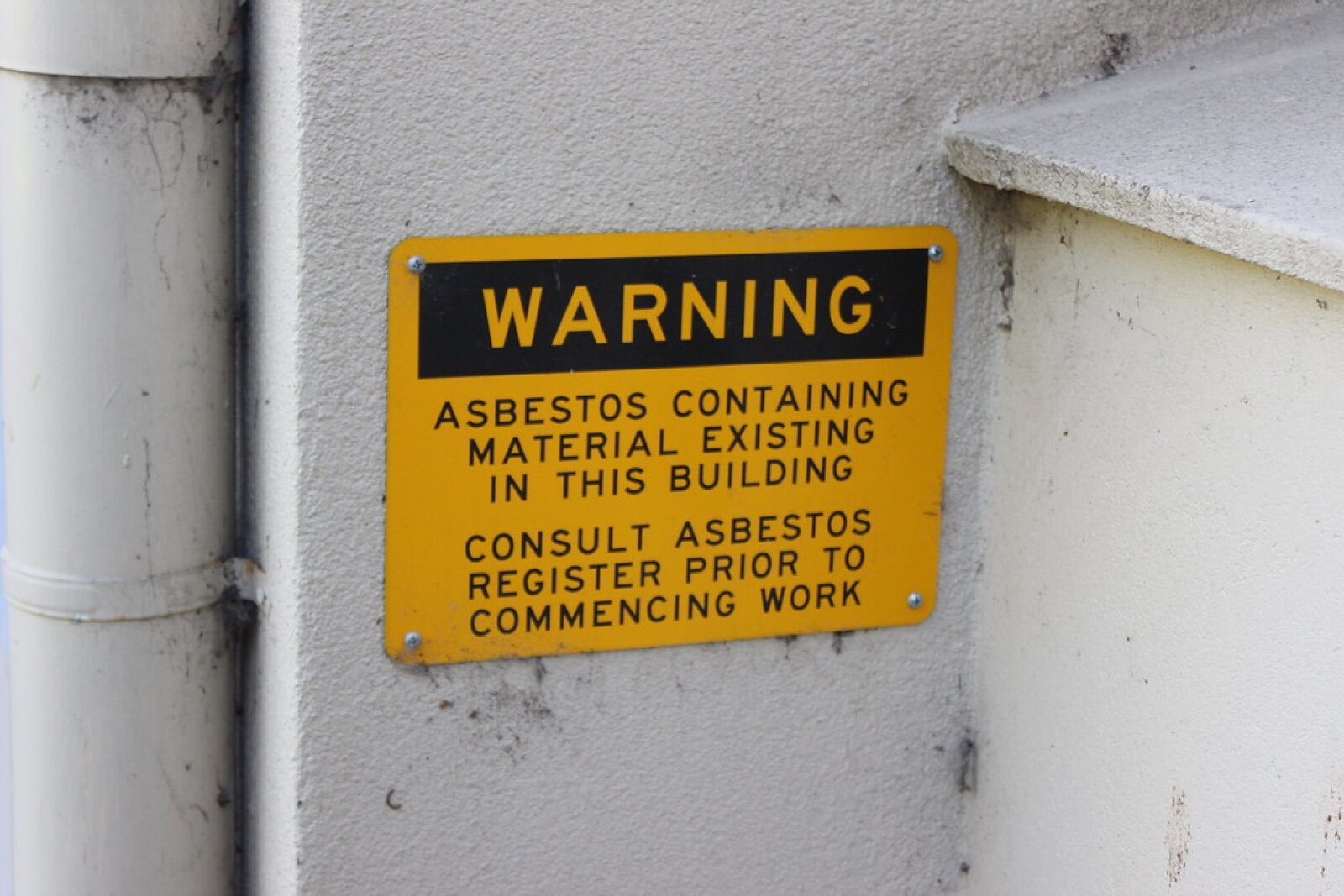
Why 2000 is the date that matters
The UK banned asbestos in stages. The Asbestos (Prohibitions) Regulations 1985 prohibited the import and supply of crocidolite, blue asbestos, and amosite, brown asbestos. White asbestos, chrysotile, was not prohibited until 24 November 1999, under the Asbestos (Prohibitions) (Amendment) Regulations 1999.
Because stock in hand continued to be installed for a period after the ban, the practical assumption used across the industry is that any building constructed or refurbished before 2000 may contain asbestos. That is the trigger, not the date on the deeds: a 1930s house refitted in 1988 is a 1988 building for these purposes.
The materials themselves are rarely where people look. In London residential work the common finds are artex and textured coatings on ceilings, vinyl floor tiles and the bitumen adhesive beneath them, insulating board behind a bath panel or forming an airing cupboard, cement flue and soil pipes, rope seals in old fireplaces, and window putty in original frames.
The two surveys, and which one you need
HSG264, the Health and Safety Executive's survey guide, defines two types. Older terminology called them Type 1, 2 and 3; those labels are obsolete.
| Management survey | Refurbishment and demolition survey | |
|---|---|---|
| Purpose | Manage asbestos during normal occupation and routine maintenance | Locate every asbestos containing material in the area about to be disturbed |
| Method | Minimally intrusive, sampling where reasonable | Fully intrusive, including destructive inspection where needed |
| When | Ongoing duty, for a building in use | Before refurbishment, strip-out or demolition |
| Fit for a renovation? | No | Yes |
This is the single most common mistake on a residential project. A building manager produces a management survey, everyone assumes the asbestos question is answered, and it is not: a management survey was never designed to look inside the walls you are about to remove. If the work is intrusive, you need a refurbishment and demolition survey scoped to the specific areas being touched.
Who actually holds the duty
Two separate regimes apply, and which one you are in depends on the building.
Non-domestic premises and common parts. Regulation 4 of the Control of Asbestos Regulations 2012 creates the duty to manage. It covers all non-domestic premises and the common parts of multi-occupancy domestic premises, and it defines the dutyholder as anyone who has, by contract or tenancy, an obligation of any extent for the maintenance or repair of those premises, or, where there is no such contract, anyone with control of that part. The dutyholder must ensure a suitable and sufficient assessment of whether asbestos is or is liable to be present, determine the risk, prepare a written plan identifying the affected parts, and set out the measures for managing it.
Private homes. In people's homes the regulation 4 duty to manage does not apply, but COSHH does, and the duties on the people carrying out the work do not disappear. In practice the responsibility for identifying asbestos before intrusive work falls to whoever controls that work. On a designed renovation that is the client, through the design team, and it belongs in the pre-construction information rather than in a conversation on site.
The London leasehold trap. Your flat is domestic, so regulation 4 does not apply inside it. The hallway, the risers, the roof and the plant room are common parts, so regulation 4 does apply there, and the freeholder or managing agent should hold a register. Ask for it at the same time as you apply for consent: see our guide to the licence to alter.
The three categories of work, and what they cost you in time
Once asbestos is found, what happens next depends on the material, not on how much of it there is.
- Licensed work. The higher-risk materials, principally sprayed coatings, lagging and asbestos insulating board. Only a licensed contractor may do it, the HSE must be notified in advance, and there is a statutory notice period before work can begin. This is the category that moves a programme by weeks, not days.
- Notifiable non-licensed work. A middle tier that must be notified to the relevant enforcing authority, with medical surveillance and record keeping, but does not need a licence.
- Non-licensed work. Lower-risk materials in good condition, such as removing an intact asbestos cement panel, provided it is done by trained people with the right controls.
For a design programme, the useful question at survey stage is not "is there asbestos" but "which of those three categories are we in", because that determines whether the strip-out slips by a fortnight.
How to sequence it on a real project
- Ask the age question at the first site visit. Pre-2000 construction or refurbishment means the survey goes in the programme, and in the budget, from day one.
- Request any existing register. From the freeholder or managing agent for common parts, and from the vendor's pack on a recent purchase.
- Commission the refurbishment and demolition survey against the actual scope drawings, so the surveyor knows which walls, floors and ceilings are coming out. An R&D survey scoped to the wrong rooms is wasted money.
- Use an accredited surveyor. UKAS accreditation for inspection, and a laboratory accredited for analysis, so the results stand up.
- Put the report in the tender pack. Contractors pricing a strip-out without it will either load the price or issue a variation later.
- Keep the clearance certificate. After licensed removal, the reoccupation certificate is the document a future buyer's solicitor will ask for.
Where this sits alongside everything else on a London renovation is covered in our guides to building regulations for a renovation, the Party Wall Act and planning permission for internal alterations. For older buildings specifically, designing in a period property and conservation area work deal with the constraints that tend to arrive in the same week.
What a survey does not do
It does not clear the building. A survey reports on what was inspected within the agreed scope, and every report carries its caveats and no-access areas. If the scope later grows, a corridor added, a floor lifted that was not in the original drawings, the survey has to grow with it. The commonest failure on site is a scope change that nobody re-surveyed.
It also does not make asbestos an emergency. Asbestos in good condition, left alone, is generally safer managed in place than removed. The risk comes from disturbance, which is precisely what a renovation is, and why the sequence above matters more than the discovery itself.
Frequently Asked Questions
Do I need an asbestos survey before a renovation?
If the building was constructed or refurbished before 2000 and the work is intrusive, yes. Before maintenance, refurbishment or demolition begins, whoever controls the work must identify asbestos that could be disturbed, and for intrusive projects that means a refurbishment and demolition survey scoped to the work.
What is the difference between a management survey and an R&D survey?
A management survey supports normal occupation and routine maintenance: it locates asbestos that could be disturbed day to day, with minimal damage. A refurbishment and demolition survey is fully intrusive, including destructive inspection where needed, and aims to find every asbestos containing material in the area about to be worked on.
When was asbestos banned in the UK?
In two stages. The Asbestos (Prohibitions) Regulations 1985 banned the import and supply of blue asbestos, crocidolite, and brown asbestos, amosite. White asbestos, chrysotile, was prohibited on 24 November 1999 under the Asbestos (Prohibitions) (Amendment) Regulations 1999. That is why 2000 is the practical cut-off date for surveys.
Does the duty to manage asbestos apply to my house?
Regulation 4 of the Control of Asbestos Regulations 2012 covers non-domestic premises and the common parts of multi-occupancy domestic buildings, so a private house is outside it. COSHH still applies, and any contractor working on your home has duties of their own, so a pre-2000 house being stripped out still needs the asbestos question answered.
Who has to arrange the survey, me or the contractor?
Whoever controls the work has the duty to identify asbestos before it starts, which in a designed renovation is usually the client, acting through the design team. Leaving it to the trades to discover on site is the expensive version: work stops, the area is sealed, and the programme absorbs the delay.
How long does an asbestos survey take on a flat?
A refurbishment and demolition survey on a single London flat is normally half a day on site with laboratory analysis following, so allow around a week from instruction to report. Book it before the strip-out date, not after, because the report has to be in the contractor's hands before anyone lifts a floor.
Sources: Control of Asbestos Regulations 2012, regulation 4; HSE, Check if you have the duty to manage asbestos; HSE HSG264, Asbestos: The Survey Guide.
Planning a project? See what an interior designer costs in London and a realistic project timeline.