The decision to hire an interior designer is often preceded by months or years of hesitation. Is it worth the cost? Will they understand what I want? Will I end up with something too designed, beautiful in photographs but uncomfortable to live in?
These concerns are valid, and good designers address them directly. Working with a designer should be collaborative, not mysterious. You should understand what you're paying for, what you'll receive, and how decisions will be made.
This guide explains what to expect from the process, how to find the right designer for your project, and how to work together effectively.
When to Hire a Designer
Interior designers add most value in three circumstances:
Complex projects where multiple decisions interact. Renovating a single bathroom is manageable DIY; renovating an entire floor while coordinating contractors, managing lead times, and ensuring cohesive results across multiple rooms benefits from professional coordination.
Uncertain decisions where you can identify problems but can't see solutions. "The living room doesn't feel right" is a feeling many homeowners have without knowing how to fix it. Designers see rooms differently, we notice why spaces don't work and how to address it.
Valuable properties where mistakes have lasting consequences. A poor colour choice in a student flat matters little; a poor colour choice in a Georgian townhouse might devalue the property or damage irreplaceable features. Professional advice protects your investment.
Designers aren't necessary for everyone. If you have clear vision, enjoy the process, and have time to coordinate projects yourself, you may not need us. But if time is limited, confidence is lacking, or the stakes are high, professional help pays dividends.
Finding the Right Designer
Chemistry matters more than credentials. You'll spend months working closely together, sharing personal preferences and making decisions that affect your daily life. If communication feels difficult from the outset, it won't improve.
Start by reviewing portfolios. Do you see work that appeals to you? Designers develop recognisable styles, some lean minimal, others maximal; some prefer contemporary, others traditional. Choose someone whose aesthetic sensibility aligns with yours.
Then have conversations. Initial consultations are typically free or low-cost. Use them to assess: - Do they listen more than they talk? - Do they ask thoughtful questions about how you live? - Do they seem interested in your project specifically? - Do they explain their process clearly? - Do you feel comfortable being honest with them?
Request references. Past clients can tell you what working with this designer is actually like, did they meet deadlines, respect budgets, handle problems well?
Understanding Designer Fees
Design fees vary enormously based on service level, project complexity, and designer experience. Understanding different fee structures helps you compare options accurately.
Fixed-fee arrangements cover defined scope for agreed amounts. You know total cost upfront, which aids budgeting. Designers estimate time required and build in contingency; if the project runs long, that's their problem. Works well for clearly-defined projects with limited scope changes.
Hourly rates bill actual time spent. More flexible for projects where scope might evolve, but less predictable for budgets. Hourly rates vary from £50-250+ depending on designer experience and location.
Percentage of spend fees calculate design cost as percentage (typically 15-35%) of total project budget including furniture, materials, and contractor costs. Common for larger projects; aligns designer incentive with quality since they benefit from spending more. Requires trust that recommendations serve your interests, not just budget inflation.
Hybrid approaches combine elements, perhaps fixed fees for design phases and percentage for procurement. These often balance predictability with flexibility.
Always clarify what's included. Does the fee cover site visits? Contractor coordination? Shopping for furniture? Receiving deliveries? The services that seem obvious often aren't.
The Design Process
While every designer works differently, most projects follow similar phases:
Initial consultation establishes scope, budget, and compatibility. You'll discuss what you want to achieve, how you live, and what resources you have available. The designer assesses your project and explains how they might approach it.
Survey and brief involves detailed measurement of your space and formal documentation of your requirements. Good designers ask probing questions about lifestyle, preferences, and non-negotiables. This information shapes all subsequent work.
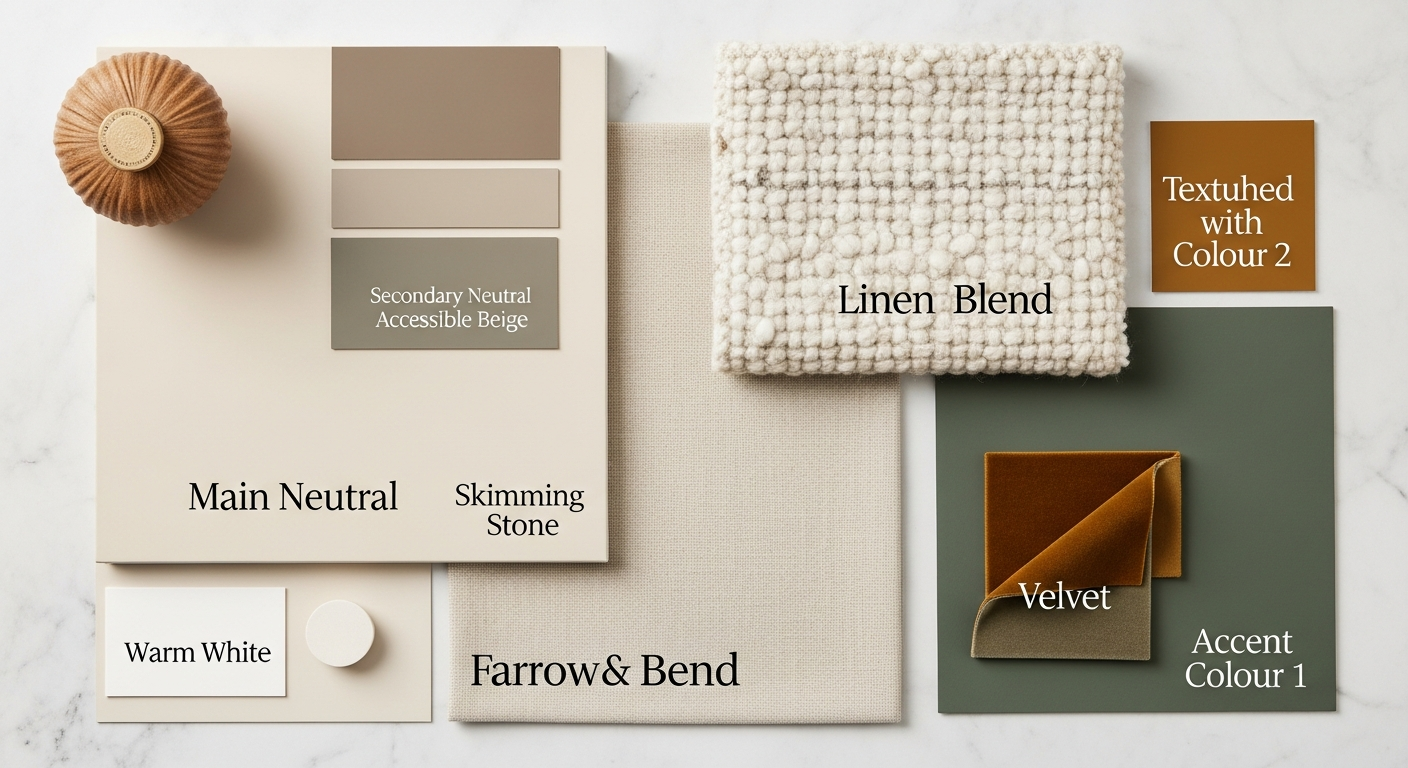
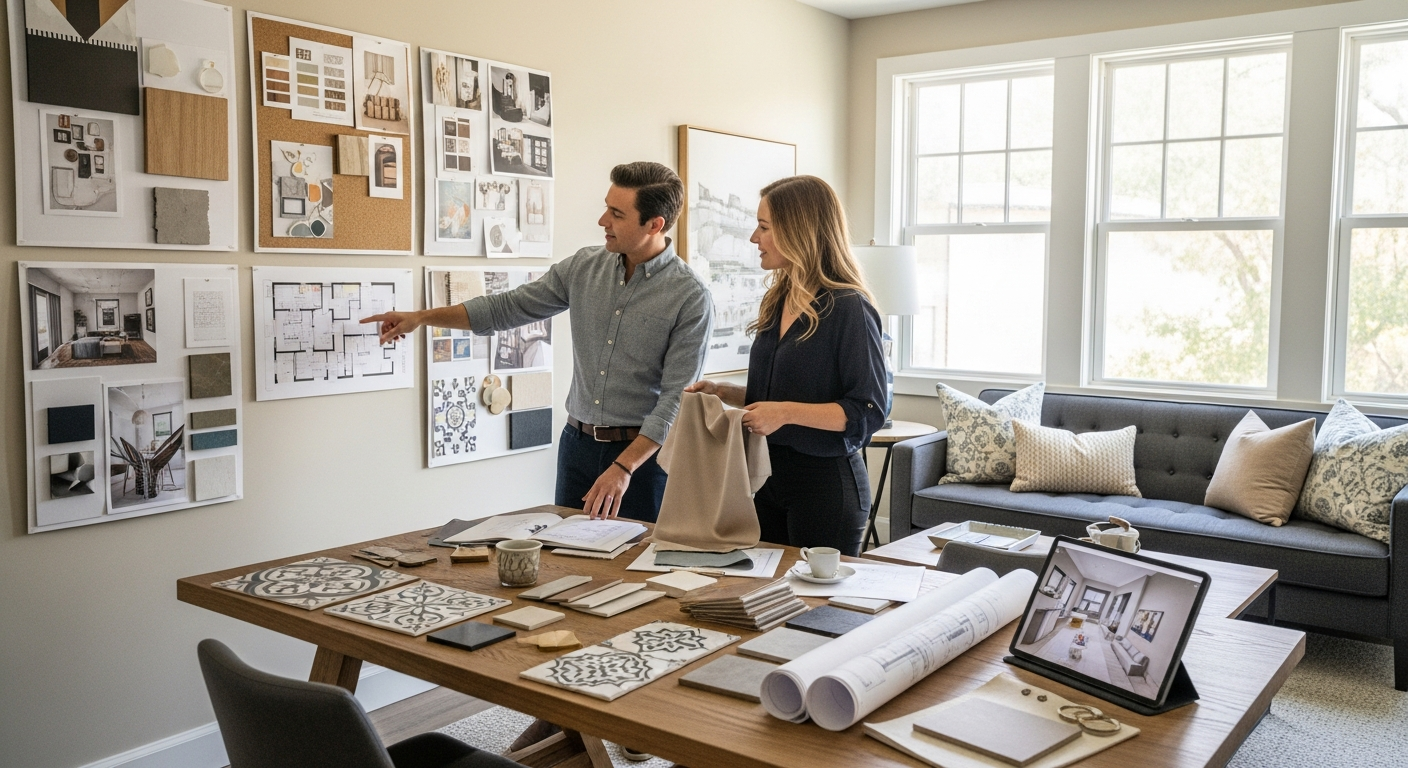
Concept development produces initial design directions. Expect mood boards, colour palettes, furniture inspiration, and spatial layouts. Multiple options allow comparison; narrowing these down clarifies your preferences.
Design development refines chosen concepts into specific proposals. You'll see detailed plans, specific product recommendations, material samples, and visualisations showing how spaces will look. This phase requires your active input, decisions made here determine the final outcome.
Documentation produces information contractors need: specifications, drawings, schedules. Good documentation prevents misunderstandings and enables accurate pricing.
Implementation covers procurement (ordering furniture and materials), contractor coordination, site visits during work, and snagging when things don't meet expectations. Some designers handle everything; others provide oversight while you coordinate.
Completion includes final styling, punch list resolution, and handover. Good designers ensure everything is finished properly before considering a project complete.
Your Role in the Process
Working with a designer doesn't mean passively receiving a finished room. You remain the decision-maker; we provide options, advice, and expertise. The best outcomes come from active collaboration.
Be honest about budget, preferences, and concerns. Pretending to like something wastes time and money. Concealing budget constraints leads to inappropriate recommendations. Voice doubts early when they're cheap to address.
Be decisive when decisions are required. Project delays often stem from client indecision, not designer slowness. If you need time to think, say so, but don't let decisions drift indefinitely.
Be available for meetings and communications. Projects stall when designers can't reach clients for decisions. If you're travelling or unavailable, let us know.
Be realistic about timelines and budgets. Good design takes time; rushing compromises quality. Beautiful materials cost money; cheaper alternatives look it. We'll work within your constraints but can't magically overcome them.
Managing Budget Conversations
Money conversations can feel awkward, but honest discussion of budget prevents disappointment. Tell your designer what you can actually spend, not what you'd like to spend if everything were cheaper.
Good designers work within budget constraints. We can always find ways to achieve similar effects at different price points. But we need accurate information to make appropriate recommendations.
Budget should include contingency, at least 10-15% for unforeseen issues. Old properties especially reveal surprises when work begins. Having contingency means these don't derail the entire project.
If recommendations exceed budget, say so immediately. Designers would rather revise proposals than have clients secretly worried about cost.
When Things Go Wrong
Even well-planned projects encounter problems. Materials arrive damaged. Contractors miss deadlines. Products disappoint in reality. What matters is how problems are resolved.
Your designer should act as your advocate. We should address supplier issues, push contractors on quality, and find solutions when things don't go as planned. This problem-solving is much of what you're paying for.
Communicate concerns promptly. Small issues caught early are easily corrected; left to fester, they become expensive problems. If something isn't right, tell us immediately.
Summary
Working with an interior designer is a relationship. Like all relationships, it requires honest communication, mutual respect, and shared commitment to outcomes. When these exist, the results can transform not just spaces but how you feel living in them.
The best projects come from clients who know what they want but trust designers to show them possibilities they hadn't considered. Neither total abdication nor total control produces ideal results, collaboration does.
If you're considering working with us, we'd welcome the opportunity to discuss your project. Initial consultations help both parties assess fit before any commitment. Even if we're not right for each other, we're happy to help you find someone who is.