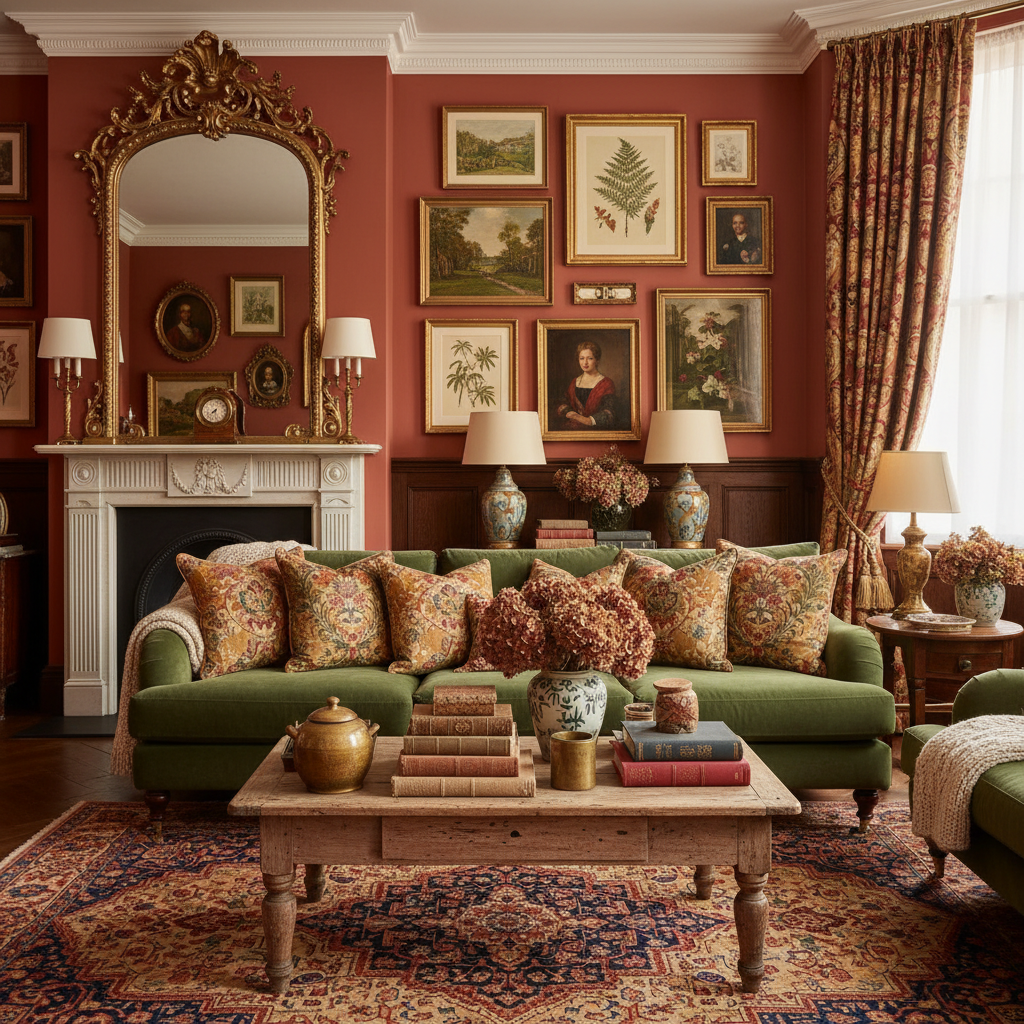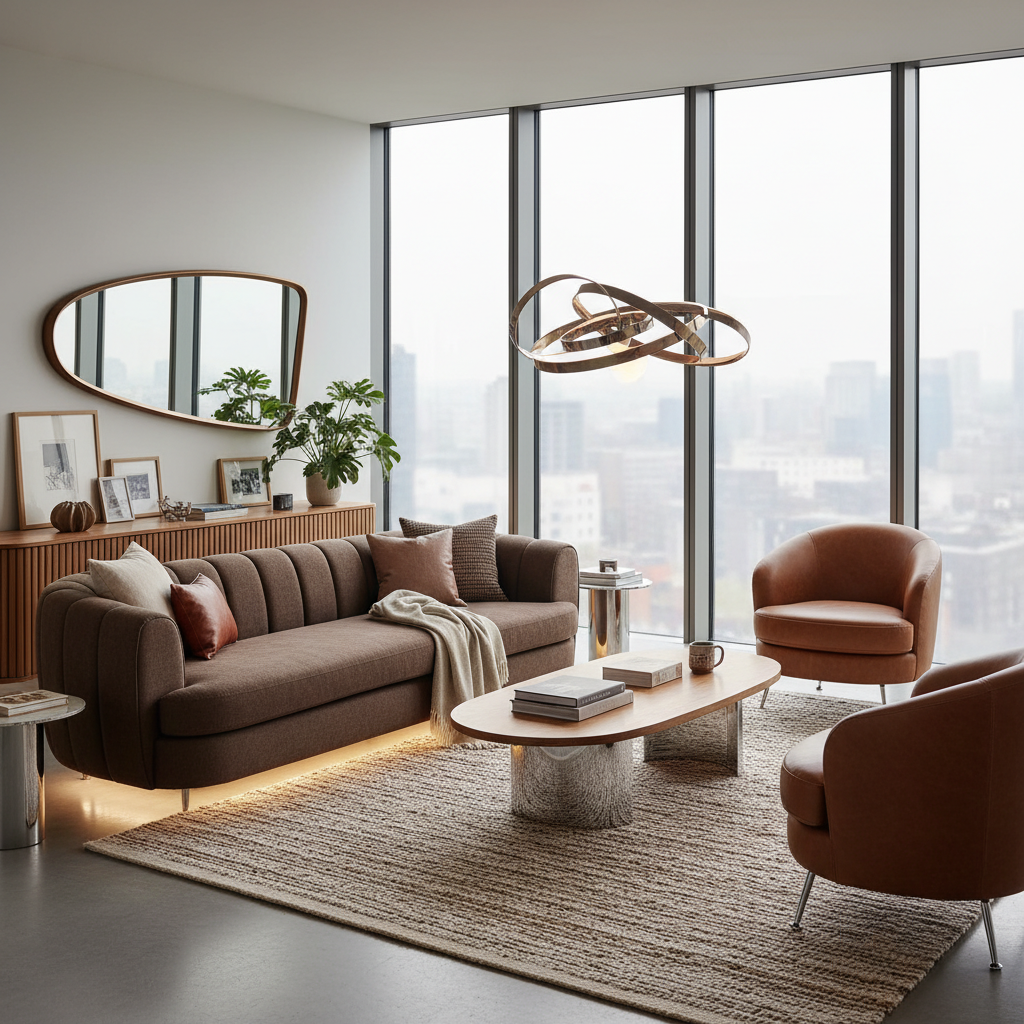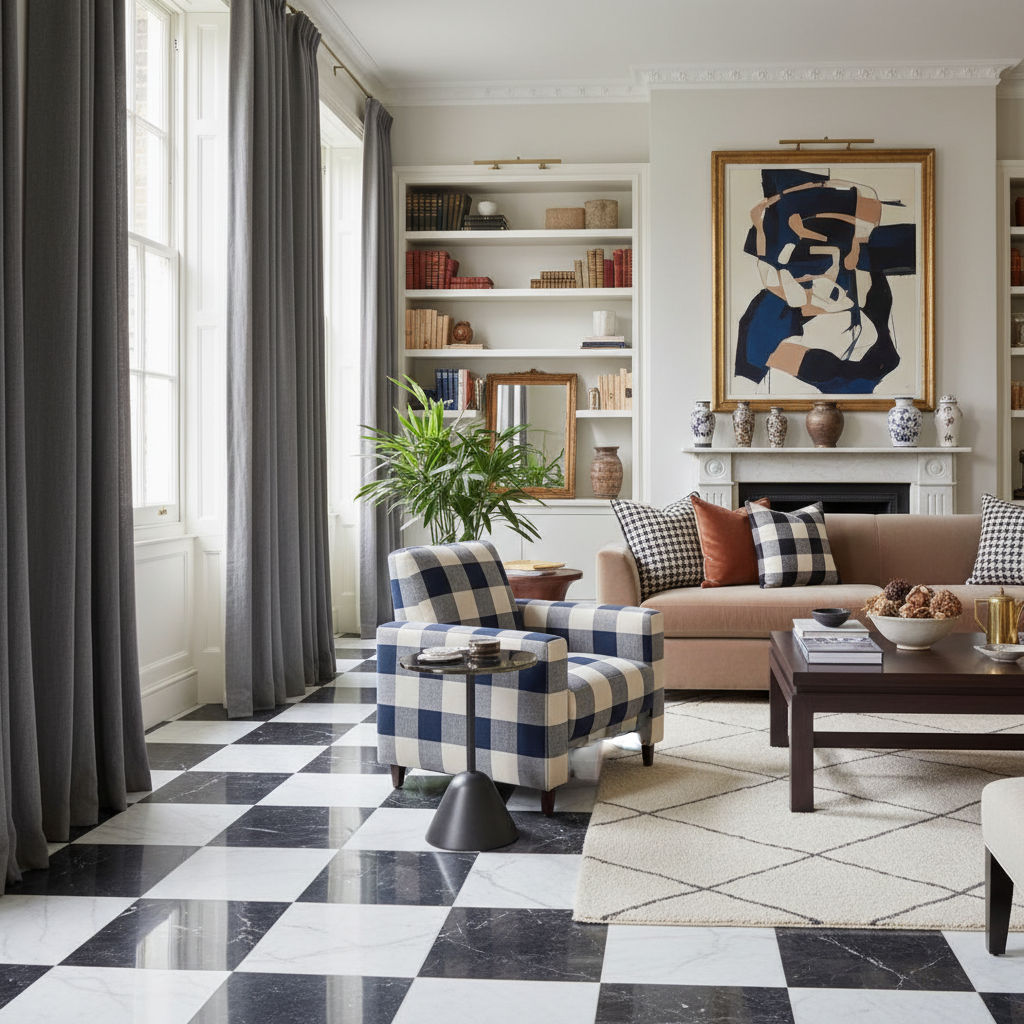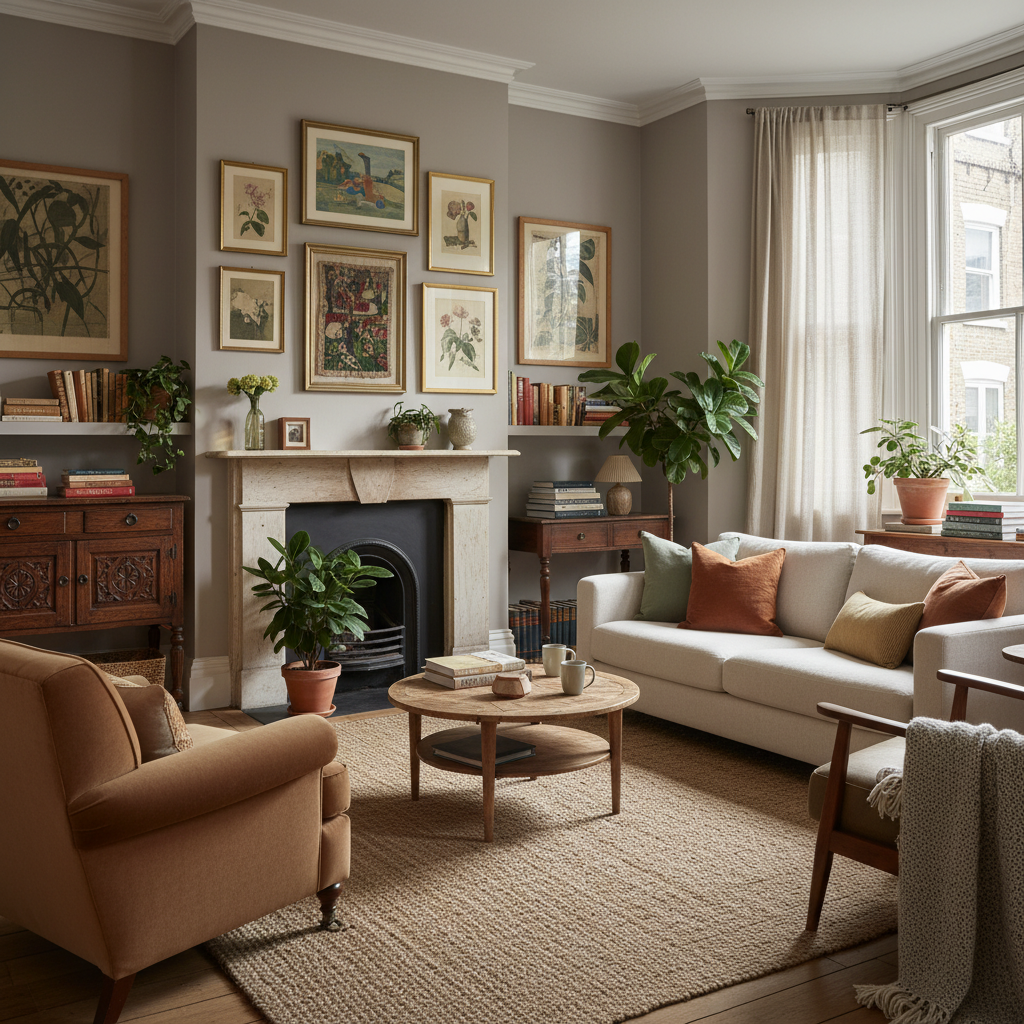
In an era of next-day delivery and instant gratification, something remarkable is happening in homes across London and the South East. Homeowners are deliberately slowing down, choosing to build their interiors piece by piece over months or even years rather than rushing to fill every corner in a single weekend shopping spree. This movement, known as slow decorating, represents a fundamental shift in how we think about creating spaces we truly love.
What Is Slow Decorating?
Slow decorating is the antithesis of the "cart-to-checkout" approach that has dominated home furnishing for the past decade. Rather than purchasing an entire room's worth of furniture and accessories in one go, slow decorating encourages homeowners to take their time, carefully selecting pieces that genuinely resonate with them and their lifestyle.
"Interiors are moving decisively away from generic restraint," explains Janette Mallory, founder of Janette Mallory Interiors. "This evolution reinforces a belief that has long guided my work: timeless design isn't driven by trends, but by atmosphere, intention, and the quiet confidence of materials and spaces that age beautifully."
For London homeowners juggling busy careers, family life, and the considerable investment of property ownership, slow decorating offers a refreshing alternative to the pressure of having a "finished" home. It acknowledges that great spaces evolve naturally over time, reflecting the personalities and experiences of the people who live in them.
Why Slow Decorating Resonates With London Homeowners
The appeal of slow decorating is particularly strong in London and the South East, where property prices demand significant financial commitment. When you've invested substantially in your home, the last thing you want is interiors that feel generic or trend-driven.
Quality Over Quantity
One of the core principles of slow decorating is investing in fewer, better pieces. Rather than filling a living room with affordable but disposable furniture, the slow decorating approach encourages saving for that perfect sofa, the handcrafted coffee table, or the antique sideboard that will anchor the space for decades.
This resonates deeply with homeowners in areas like Islington, Richmond, and throughout Surrey and Kent, where period properties demand furniture with substance and character. A Victorian terrace in Dulwich deserves more than flat-pack furnishings that will need replacing in three years.
Meaningful Purchases
Slow decorating transforms shopping from a chore into an adventure. Instead of bulk-buying from a single retailer, you might discover a perfect lamp at a Bermondsey antiques market, source a rug from a specialist weaver in Shoreditch, or commission a bespoke bookshelf from a craftsman in Hackney.
Each piece in a slowly decorated home carries a story. That chair came from your grandmother's house in Kent. The painting was discovered during a weekend away in Brighton. The vintage mirror was the find of a lifetime at Kempton Antiques Market. These narratives transform a house into a home.
The Benefits of Taking Your Time
Beyond the emotional satisfaction of curating rather than consuming, slow decorating offers practical advantages that appeal to the discerning London homeowner.
Financial Sustainability
Spreading purchases over time eases the financial burden of furnishing a home. Rather than maxing out credit cards or depleting savings to achieve an instant transformation, slow decorating allows you to budget thoughtfully, saving for significant pieces while living comfortably in a space that's still evolving.
This approach proves particularly valuable for first-time buyers across London and the South East, who may have stretched their finances to get on the property ladder. Slow decorating means you can prioritise essentials whilst gradually building towards your vision.
Better Design Decisions
When you live in a space before making permanent design decisions, you understand how light moves through the rooms, which areas see the most use, and what your genuine storage needs are. A few months of living with a bare corner might reveal that you need a reading nook rather than another console table, or that morning light makes a particular wall perfect for your growing art collection.
Interior designers have long understood this principle. Professional projects typically unfold over months, allowing designers to refine their vision as they learn more about how clients actually use their spaces. Slow decorating brings this professional approach to everyday homeowners.
Environmental Responsibility
The sustainability argument for slow decorating is compelling. Fast furniture has become as problematic as fast fashion, with millions of tonnes of furniture ending up in landfill each year. By choosing fewer, better-made pieces and incorporating vintage finds, slow decorators significantly reduce their environmental impact.
Many London homeowners are increasingly conscious of their environmental footprint. Slow decorating aligns perfectly with broader sustainability goals, combining aesthetic preference with ethical consideration.
How to Embrace Slow Decorating in Your Home
Transitioning to a slow decorating mindset requires patience and a willingness to sit with imperfection, but the rewards are substantial.
Start With the Essentials
Focus first on pieces you genuinely need. A comfortable sofa for the living room, a proper dining table if you entertain, adequate storage for your possessions. These foundational pieces deserve serious investment and careful selection. Take your time finding options that feel right in both style and quality.
Create a Vision Board, Not a Shopping List
Rather than listing specific items to purchase, collect images, fabric swatches, and colour samples that capture the atmosphere you're working towards. This approach keeps you open to unexpected discoveries whilst maintaining a cohesive direction.
Pinterest boards serve this purpose admirably, but physical mood boards offer a tactile alternative that many slow decorators prefer. Pinning actual fabric samples, paint chips, and magazine tearsheets to a corkboard provides a tangible reference point for decision-making.
Embrace the Hunt
Some of the most satisfying pieces in a slowly decorated home are those that required genuine effort to find. Regular visits to antique centres, estate sales, and charity shops can yield treasures that mass-market retailers simply cannot match.
The South East offers exceptional hunting grounds. Beyond the famous markets of Portobello Road and Bermondsey, explore the antique centres of Lewes, the vintage shops of Margate, and the estate sales dotted throughout Surrey and Sussex. Each expedition might yield nothing, or might uncover the perfect piece you hadn't known you were seeking.
Allow for Evolution
One of slow decorating's most liberating aspects is permission to change your mind. Unlike a completely designed and installed scheme, a slowly decorated home can evolve as your tastes develop. That maximalist phase in your thirties might give way to something more restrained in your forties, and your home can reflect that journey.
Incorporating Vintage and Antique Pieces
A cornerstone of slow decorating is the integration of vintage and antique pieces alongside contemporary elements. This approach delivers character that new furniture alone cannot provide.
Why Vintage Works
"These items carry history with them," explains Marissa Van Noy, entrepreneur and founder of Three Golden Cranes. "They add soul to a space in a way that mass-produced items simply don't."
Vintage furniture often boasts superior construction to modern equivalents. Solid wood, dovetail joints, and traditional upholstery techniques have largely given way to particleboard and staples in today's mass-market offerings. A mid-century sideboard or Victorian chest of drawers will likely outlast anything purchased from a contemporary high street retailer.
Mixing Eras Successfully
The key to integrating vintage pieces lies in maintaining a cohesive colour palette and respecting proportions. A Georgian mahogany table can work beautifully alongside contemporary upholstered chairs if the scale is right and the overall palette harmonises.
London's period properties, with their high ceilings and generous proportions, provide ideal settings for this kind of mixing. The architectural character of a Victorian terrace or Edwardian semi creates a backdrop that welcomes furniture from various periods.
Slow Decorating and Family Life
Parents across London and the South East often assume that proper interior design must wait until children have grown. Slow decorating offers an alternative perspective that embraces family life rather than fighting against it.
Practical Choices Without Compromise
Slow decorating's emphasis on durability and quality proves especially relevant for family homes. Investing in a properly constructed sofa with high-quality fabric will withstand years of family use far better than a cheaper alternative that needs replacing within five years.
Similarly, choosing vintage pieces with existing patina means you're less precious about additional wear. A coffee table that's already seen seventy years of use won't be ruined by crayon marks or toy car scratches.
Growing With Your Family
A slowly decorated home can evolve alongside your family. The playroom configuration that works for toddlers can gradually transform as children grow, with considered additions and adjustments rather than wholesale renovation.
This adaptability proves particularly valuable in London, where moving to a larger property often isn't financially viable. Learning to evolve your space through careful curation rather than structural change offers a sustainable alternative.
The Professional Perspective
Interior designers increasingly embrace slow decorating principles in their client work, recognising that the best results come from patience and careful curation.
Phased Implementation
Many design professionals now offer phased implementation programmes, helping clients establish a master plan whilst allowing for gradual execution. This approach brings professional guidance to the slow decorating journey without requiring immediate full investment.
Curated Sourcing
Designers excel at sourcing unusual pieces that align with a client's vision. Working with a professional on a slow decorating project gives you access to trade-only resources, auction house expertise, and the trained eye that recognises quality and potential.
Making the Shift
If you're ready to embrace slow decorating, begin by pausing. Remove the pressure to finish any room immediately. Clear out items you purchased in haste that have never felt quite right. Create space for the meaningful pieces that will eventually arrive.
Live with your home as it currently exists. Notice what's working and what isn't. Observe how you actually use each space rather than how you imagined you would. This information will guide better decisions when you do choose to purchase.
Most importantly, trust that your home will come together over time. The most characterful spaces in London, from elegant Chelsea townhouses to creative Hackney apartments, share one quality: they feel collected rather than designed, evolved rather than installed.
Slow decorating isn't about deprivation or endless waiting. It's about respecting both your home and yourself enough to create something genuinely meaningful. In a city that moves as quickly as London, that kind of intentionality feels increasingly valuable.
Frequently Asked Questions
How long does slow decorating typically take?
There's no fixed timeline for slow decorating, as the approach is deliberately open-ended. Some rooms might come together within a year as you find the right pieces, whilst others might evolve over five years or more. The key is removing arbitrary deadlines and allowing your home to develop at its own pace.
Is slow decorating more expensive than traditional approaches?
Initially, slow decorating often costs less because you're not making bulk purchases. Over time, the total investment might equal or exceed a traditional approach, but the money goes towards fewer, higher-quality pieces that typically last much longer. The cost-per-year of use often proves significantly lower.
Can I use slow decorating if I'm renting?
Absolutely. Slow decorating is perfectly suited to rental properties, where you might be reluctant to make permanent changes. Focus on furniture, art, rugs, and accessories that can move with you. The pieces you collect will eventually form the foundation of your future permanent home.
How do I maintain cohesion when buying over such a long period?
Establishing a clear colour palette and overall aesthetic direction before you begin helps maintain cohesion. Refer back to your vision board or mood board before any purchase to ensure new additions complement existing pieces. Trust your instincts, as pieces that genuinely appeal to you will likely work together.
What if my partner has different taste?
Slow decorating actually helps couples navigate different preferences, as each purchase becomes a considered discussion rather than a rushed decision. The extended timeline allows for compromise and the discovery of pieces that satisfy both parties. Many couples find that their tastes converge as they work through the slow decorating process together.
Where should I start with slow decorating?
Begin with the room you use most, typically the living room or kitchen. Focus on one or two significant pieces rather than trying to address everything simultaneously. A quality sofa or dining table serves as an anchor around which other pieces can gradually gather.