The new year has brought with it a refreshing shift in interior design, and London homeowners are leading the charge. After years of stark minimalism and endless grey colour schemes, 2026 is signalling a welcome return to warmth, personality, and spaces that feel genuinely lived in rather than styled for the camera.
If you've been contemplating a refresh of your home, now is the perfect time. The trends emerging this year aren't just about aesthetics, they're about creating spaces that add tangible value to your property whilst making your home somewhere you actually want to spend time. For those of us in London and the South East, where property value matters but so does comfort, these trends strike the perfect balance.
Terracotta Tiles: Mediterranean Warmth Comes to London
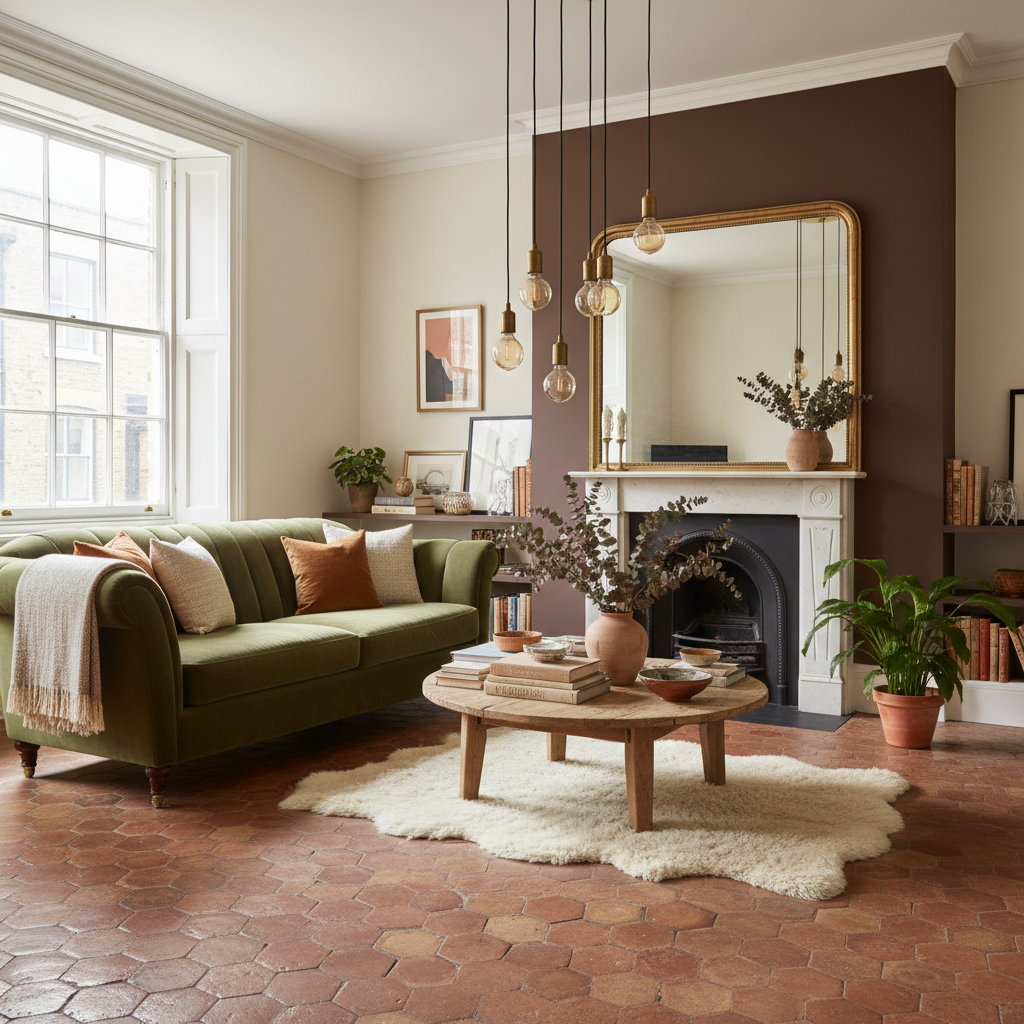
One of the most striking trends to emerge in 2026 is the widespread adoption of terracotta tiles beyond their traditional Mediterranean setting. No longer confined to rustic kitchens in Tuscan villas, these warm, sun-baked tiles are making a serious statement in contemporary London homes.
The appeal is immediately obvious. Terracotta brings an instant sense of warmth and authenticity that feels like a breath of fresh air after years of cool grey tiles and clinical white subway patterns. The natural, earthy tones evoke memories of summer holidays and relaxed living, creating an atmosphere that's both sophisticated and approachable.
Where to Use Terracotta in Your Home
Kitchens remain the obvious starting point. Whether you opt for classic square tiles in a simple grid pattern or embrace bold checked designs mixing terracotta with white or cream, these tiles create a grounded, authentic feel that works beautifully in both period properties and modern conversions. The natural variation in colour adds depth and character that machine-made alternatives simply cannot replicate.
But don't stop at the kitchen. With proper sealing, terracotta is ideal for hallways, bathrooms, and even conservatories or garden rooms. In a South London Victorian terrace, terracotta floor tiles can create a stunning flow from the kitchen through to a rear extension, connecting indoor and outdoor spaces seamlessly.
For period properties in areas like Greenwich, Richmond, or Dulwich, terracotta tiles feel particularly at home. They complement original features beautifully whilst bringing in contemporary warmth. Even in modern apartments across Canary Wharf or Battersea, terracotta can add the organic, textural element that prevents minimalist spaces from feeling too stark.
Practical Considerations
Terracotta does require some maintenance considerations. Proper sealing is essential, particularly in high-traffic areas or rooms with moisture. Quality sealant will protect against stains whilst allowing the tiles to breathe and develop their characteristic patina over time.
When selecting terracotta, look for reclaimed tiles if budget allows. Not only do they carry history and character, but their environmental credentials align with the broader trend towards sustainable, thoughtful design choices. New terracotta tiles are equally beautiful and often more consistent in thickness, making installation simpler.
Goodbye Grey: Embracing Richer, Deeper Tones
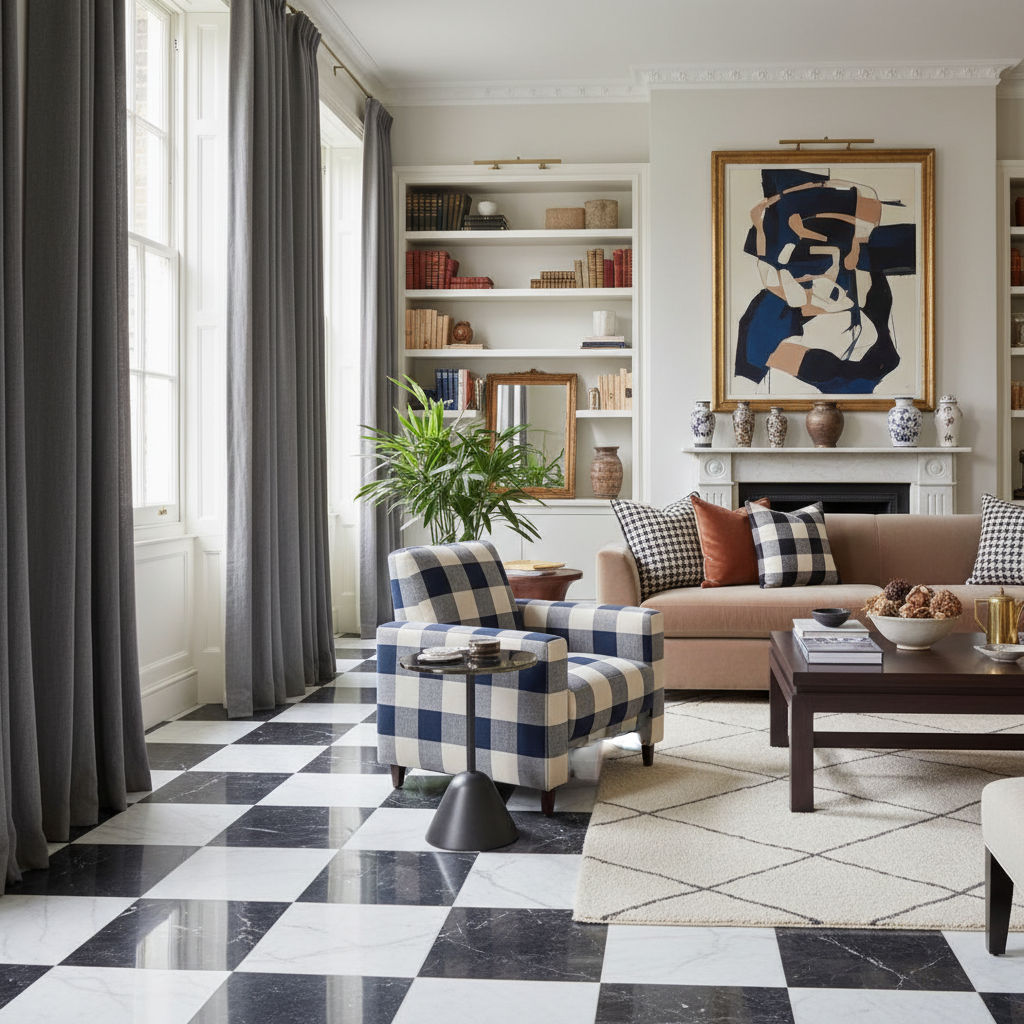
Perhaps the most significant shift in 2026 is the long-awaited departure from grey. After dominating interiors for over a decade, those cool, neutral grey tones are finally being replaced by warmer, more enveloping colours that create genuine atmosphere.
Olive greens, deep chocolate browns, and rich burgundies are taking centre stage. These shades don't just decorate walls, they transform the feeling of entire rooms, creating cocooning effects that make spaces feel intimate, sophisticated, and genuinely inviting.
The Brown Renaissance
Brown is experiencing a serious renaissance, and it's not the beige-adjacent neutrals of the 2000s. We're talking about deep, rich chocolate tones, warm mochas, and earthy clay shades that bring sophistication without the harshness of black.
These browns work exceptionally well in London homes where natural light can be limited, particularly in ground floor rooms or north-facing spaces. Rather than making rooms feel darker, these rich tones create depth and warmth, making artificial lighting more effective and creating that coveted evening glow.
Pair chocolate brown walls with brass fixtures, warm wood tones, and soft textiles in cream or burnt orange for a look that feels both contemporary and timeless. In dining rooms particularly, these colours create an intimate atmosphere perfect for entertaining.
Jewel Tones and Colour Drenching
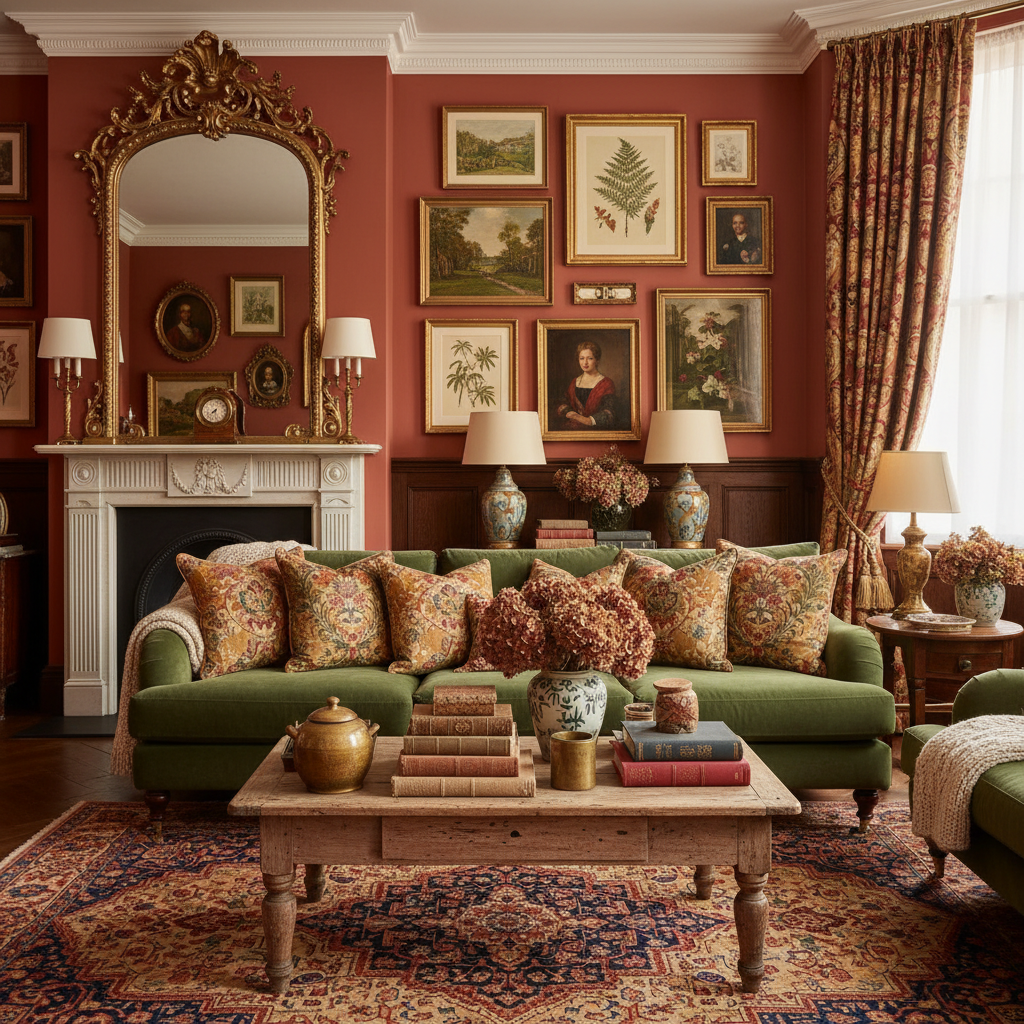
Aubergines, burgundies, and deep forest greens are appearing throughout London homes, often in fully colour-drenched schemes where walls, woodwork, and even ceilings share the same rich tone. This approach, which might sound overwhelming in theory, actually creates sophisticated, gallery-like spaces that feel incredibly polished.
The trick is committing fully. Half measures with jewel tones rarely work. If you're painting your sitting room a deep green, extend that colour to the skirting boards, picture rails, and even the ceiling. The monochromatic effect creates calm rather than chaos, allowing your furniture and artwork to become the focal points.
For those not quite ready for full colour immersion, rich antique woods provide a softer entry point. A dark walnut dining table, vintage oak bookshelf, or mahogany side table can bring similar warmth without the commitment of paint.
Clay Tones for the Cautious
If jewel tones feel like a step too far, clay and terracotta paint shades offer a gentler way into warmer territory. These earthy neutrals work beautifully throughout the home, from bedrooms to hallways, bringing warmth without overwhelming smaller spaces.
Consider shades like Farrow & Ball's Red Earth, Little Greene's Tuscan Red, or Dulux's Burnt Autumn for walls that feel both contemporary and timeless. These colours complement natural materials beautifully, working particularly well in homes with exposed brick, wooden floorboards, or natural stone features common in South East period properties.
Statement Mirrors and Lighting: Functional Becomes Focal
The functional elements of our homes are getting the spotlight treatment in 2026. Mirrors and lighting are no longer afterthoughts tucked into corners, they're becoming the focal points that define entire rooms.
Mirrors as Art
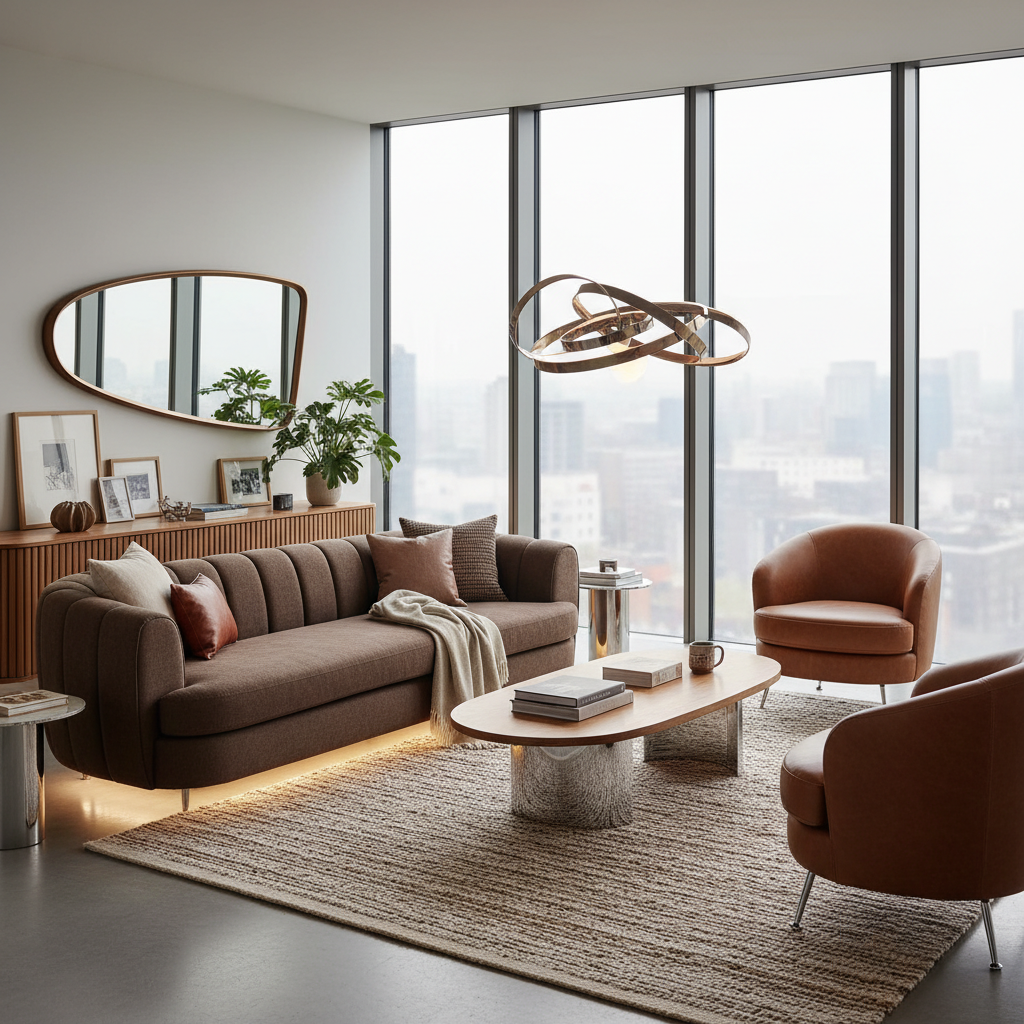
Oversized mirrors in irregular, organic shapes are appearing above fireplaces, in hallways, and as bedroom features throughout London homes. These aren't your standard rectangular mirrors, think sculptural pieces with wavy edges, asymmetric shapes, or brass-framed designs that command attention.
The practical benefits remain, mirrors reflect light and make spaces feel larger, crucial advantages in typical London properties where rooms can be compact and natural light precious. But the aesthetic impact goes far beyond function. A well-chosen statement mirror can completely transform a room, adding interest, height, and sophistication in one beautiful stroke.
In narrow hallways common to Victorian and Edwardian terraces, a large mirror can double the perceived space whilst creating an impressive first impression for guests. Position them opposite windows to maximise natural light, or use them to reflect a beautiful view or architectural feature.
For bedrooms, consider placing a large, elegantly framed mirror where it reflects the best natural light rather than directly opposite the bed. In living rooms, oversized mirrors above mantlepieces create traditional elegance with contemporary flair.
Lighting That Makes a Statement
Lighting is following the same trajectory. No longer purely functional, statement lighting pieces are being chosen with the same care as furniture and art. Layered lighting remains important for creating atmosphere, but individual pieces are becoming bolder and more decorative.
In dining rooms, this trend is particularly pronounced. Large, sculptural pendants are taking pride of place above tables, creating focal points that set the entire mood of the room. Consider materials like brass, smoked glass, or organic shapes inspired by nature.
Multiple light sources at different levels create the most successful schemes. Combine your statement pendant with wall sconces, table lamps, and even LED strips concealed within shelving or beneath kitchen units. This layered approach allows you to adjust the mood throughout the day whilst creating depth and interest after dark.
Floor lamps are also having a moment, particularly tall, arched designs that can reach over sofas or reading chairs. These pieces work hard in open-plan spaces common to modern conversions, helping to zone different areas whilst adding sculptural interest.
Lived-In, Not Show Home: Embracing Imperfection
Perhaps the most refreshing trend of 2026 is the embrace of homes that actually look lived in. After years of Instagram-perfect interiors where every cushion was plumped and every surface bare, we're finally seeing a swing back towards spaces that reflect real lives.
The Rise of Purposeful Clutter
This doesn't mean chaos or mess. Rather, it's about displaying the things that matter to you, the books you're actually reading, the collections you've gathered over time, the artwork and travel finds that tell your story. These personal touches create character and warmth that no amount of perfect styling can replicate.
Open shelving in kitchens displays beautiful crockery and glassware. Living room shelves hold books arranged by colour or size, interspersed with photographs, plants, and objects that mean something. Walls become galleries of art, family photos, and mirrors in mismatched frames that somehow work perfectly together.
This trend particularly suits period properties throughout London and the South East. Victorian and Edwardian homes were designed for display, their alcoves, picture rails, and generous proportions crying out for personality and warmth. Embrace those features rather than fighting them.
Creating Comfort Over Perfection
The best interiors in 2026 are those that prioritise comfort and functionality over perfect aesthetics. Sofas have throws draped over them. Kitchen counters hold fruit bowls and cookbook stands. Bedside tables stack books and reading glasses rather than carefully curated still lifes.
This approach doesn't mean lowering your standards. Quality matters more than ever. But instead of obsessing over whether every element matches a particular aesthetic, focus on choosing pieces you genuinely love and will use.
That vintage armchair you inherited might not match your colour scheme perfectly, but if it's comfortable and meaningful, it belongs in your home. The artwork your child created deserves wall space alongside professional prints. The plant collection that's gradually taken over your windowsill brings more life than any professional styling ever could.
Making These Trends Work for London Properties
Implementing these trends in typical London and South East properties requires some practical consideration. Our homes often come with specific challenges, from limited space to listed building restrictions, but these trends are actually remarkably adaptable.
Period Properties
For Victorian and Edwardian terraces, these trends feel particularly appropriate. Terracotta tiles work beautifully with original features, rich wall colours complement period proportions, and lived-in comfort suits the scale and character of these homes.
If your property has original features like cornicing, picture rails, or fireplaces, use rich colours to highlight rather than hide them. Deep greens or browns make white plasterwork pop, creating stunning contrast whilst maintaining period appropriate elegance.
Modern Apartments
In contemporary apartments and conversions, these trends prevent spaces from feeling too clinical. Terracotta tiles add warmth to open-plan living areas, whilst rich accent walls create definition in combined kitchen-living spaces.
Statement mirrors are particularly effective in modern builds where walls can feel flat and featureless. Choose large, organic shapes to soften hard edges and add the character that new builds sometimes lack.
Small Spaces
Contrary to expectation, these trends work brilliantly in smaller London flats and maisonettes. Rich, dark colours can actually make small rooms feel more intimate and special rather than cramped. The key is commitment, embrace the colour fully rather than half measures that can make spaces feel confused.
Large mirrors remain essential for maximising light and space. Statement lighting that draws the eye upward makes ceilings feel higher, whilst terracotta tiles create flow and continuity between compact rooms.
The Investment Value
Beyond aesthetics, these trends offer tangible benefits for property value. Well-executed interior design can add significant value to London properties, and these particular trends hit the sweet spot between contemporary appeal and lasting quality.
Terracotta tiles are durable and timeless, appealing to buyers who value quality and character. Rich, warm paint colours photograph beautifully for property listings whilst creating emotional connection during viewings. Statement pieces like mirrors and lighting are relatively affordable upgrades that create outsized impact.
Most importantly, homes that feel genuinely welcoming and lived-in create the emotional response that drives buying decisions. Potential buyers can envision themselves living comfortably in your space, the ultimate goal of any property presentation.
Frequently Asked Questions
Are terracotta tiles difficult to maintain?
Terracotta requires sealing, particularly in wet areas or high-traffic zones, but once properly sealed, maintenance is straightforward. Regular sweeping and occasional mopping with pH-neutral cleaners keeps them looking beautiful. They develop character over time rather than showing wear.
Will dark colours make my rooms feel smaller?
Surprisingly, no. When used confidently throughout a room, including woodwork and ceiling, dark colours can actually make spaces feel more intimate and intentional rather than smaller. The key is avoiding half measures and ensuring good lighting.
How do I choose the right statement mirror?
Consider the space and function first. Hallways need tall, narrow mirrors that maximise light reflection. Living rooms can accommodate larger, more dramatic pieces. Choose frames and shapes that complement your existing style whilst adding interest. When in doubt, bigger is usually better.
Can I mix these trends with existing decor?
Absolutely. Start with one element, perhaps terracotta tiles in your kitchen or a rich accent wall in your dining room, and build from there. These trends are about layering and personality rather than complete overhauls.
Are these trends suitable for rental properties?
Terracotta tiles are excellent for landlords as they're durable and timeless. Rich paint colours might require landlord approval but are easily changed. Statement mirrors and lighting are removable improvements tenants might add themselves. The lived-in approach works well for furnished lets, creating welcoming spaces that command premium rents.
Final Thoughts
The interior design trends of 2026 represent something important, a shift away from perfection towards personality, from cool minimalism towards genuine warmth. For London and South East homeowners, these trends offer practical ways to add value whilst creating homes that feel truly special.
Whether you embrace terracotta tiles in your kitchen, paint your living room a rich chocolate brown, invest in a stunning statement mirror, or simply allow your home to reflect your real life rather than an Instagram ideal, these trends are about creating spaces that serve you rather than trends you serve.
The best interior design has always been about creating homes where people love to live. In 2026, that principle is finally back at the heart of British interior design, and our homes will be all the better for it.