After years of beige minimalism and sterile, Instagram-ready spaces, London homeowners are finally saying enough. The shift is unmistakable: homes across the capital and South East are becoming richer, more layered, and unapologetically personal. Welcome to heritage maximalism, the interior design movement rewriting the rules for 2026.
If you have been feeling like your home looks more like a showroom than somewhere you actually live, you are not alone. The era of cold greys and joyless restraint is over. In its place comes a warmer, more confident approach that celebrates texture, history and the beautiful chaos of real life.
What Is Heritage Maximalism?
Heritage maximalism is not about cluttering every surface or filling rooms with random objects. Rather, it represents a thoughtful approach to layering spaces with pieces that carry meaning, history and character. Think of it as maximalism with a soul, where every item has earned its place through either aesthetic merit, personal significance or genuine usefulness.
"We are seeing a move away from that empty, staged look because people want their homes to actually say something about who they are," explains Jo, a leading style consultant working with London homeowners. "It is about mixing a bit of the old with the new, perhaps a classic wood table paired with some ultra-modern chairs, to create a space that feels layered and full of life rather than just a carbon copy of a showroom."
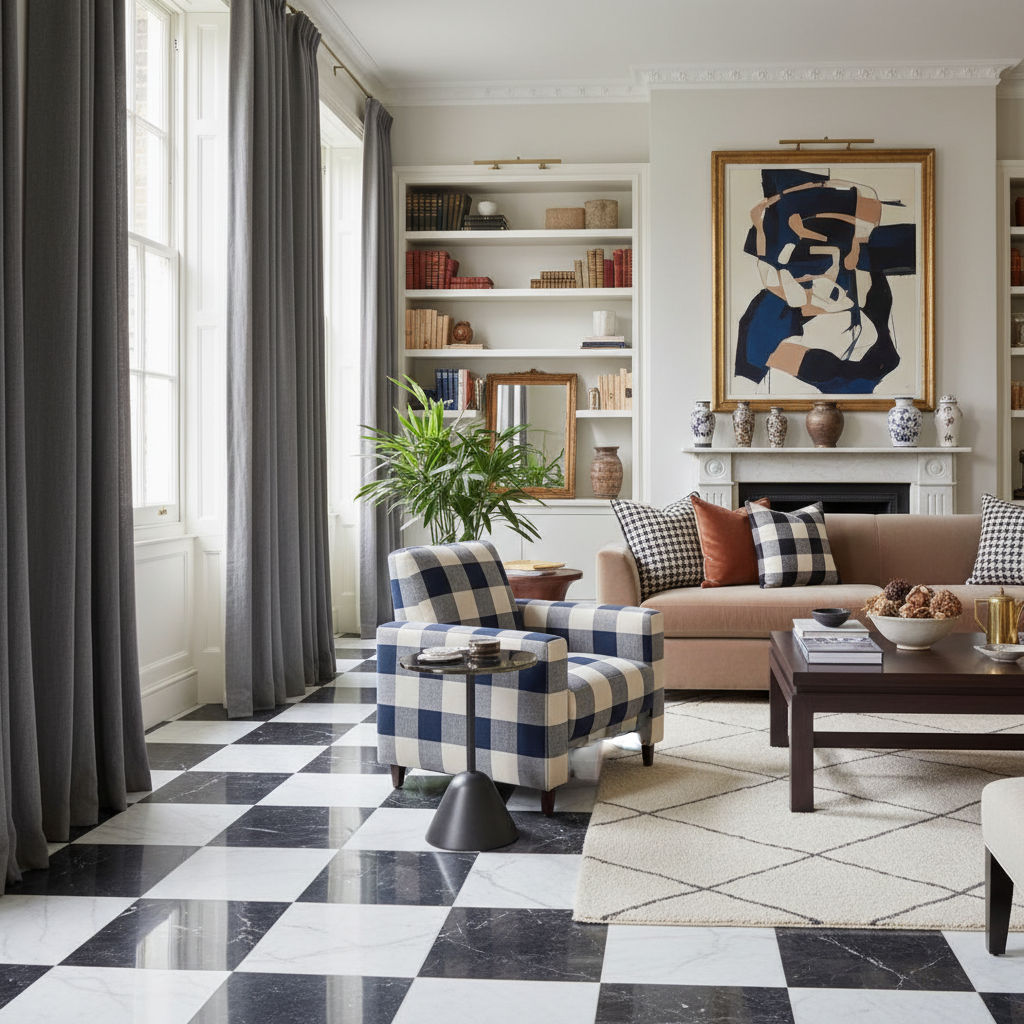
This trend draws heavily on British design heritage. Patterns like checks, florals and tartans are returning, but reimagined through a contemporary lens. You might pair a vintage Persian rug with a sleek, modern velvet sofa, or hang contemporary art alongside inherited family photographs. The magic lies in the juxtaposition.
For London homeowners who have invested substantially in their properties, heritage maximalism offers something minimalism never could: a home that reflects personality, grows over time, and feels uniquely yours.
Why Heritage Maximalism Resonates With London Homes
London property prices mean that purchasing a home represents a significant financial and emotional commitment. When you have made that investment, the last thing you want is interiors that feel generic or could belong to anyone. Heritage maximalism speaks directly to homeowners who understand that their space should reflect their journey, taste and individuality.
The movement also aligns perfectly with the architecture found across London and the South East. Victorian terraces, Edwardian conversions and Georgian townhouses have inherent character, rich architectural details and a sense of history. Trying to impose stark minimalism on these properties always felt like fighting against the bones of the building. Heritage maximalism works with these spaces rather than against them.
"Homes that feel genuinely lived-in and loved form one of the defining moods of the year," observes Hannah Coates for British Vogue. She suggests that 2026 will see us embracing the natural, the organic and the unapologetically fabulous, moving toward an aesthetic that mirrors how we actually want to feel when we come home at night.
There is also a generational element at play. Younger homeowners, particularly millennials now entering their peak earning years, grew up surrounded by the minimalist aesthetic. Having lived through that era, many are actively seeking something different, richer and more emotionally resonant for their own homes.
Key Elements of Heritage Maximalism
Warm, Earthy Colour Palettes
The foundation of heritage maximalism starts with colour. Cold greys and stark whites are out. In their place come warm, enveloping tones that make spaces feel like sanctuaries rather than sterile boxes.
Espresso browns, deep wine reds, forest greens and burnt orange are the new neutrals. These colours create depth, warmth and a sense of comfort that bright white rooms simply cannot achieve. They also photograph beautifully in London's often grey natural light, adding richness without feeling oppressive.
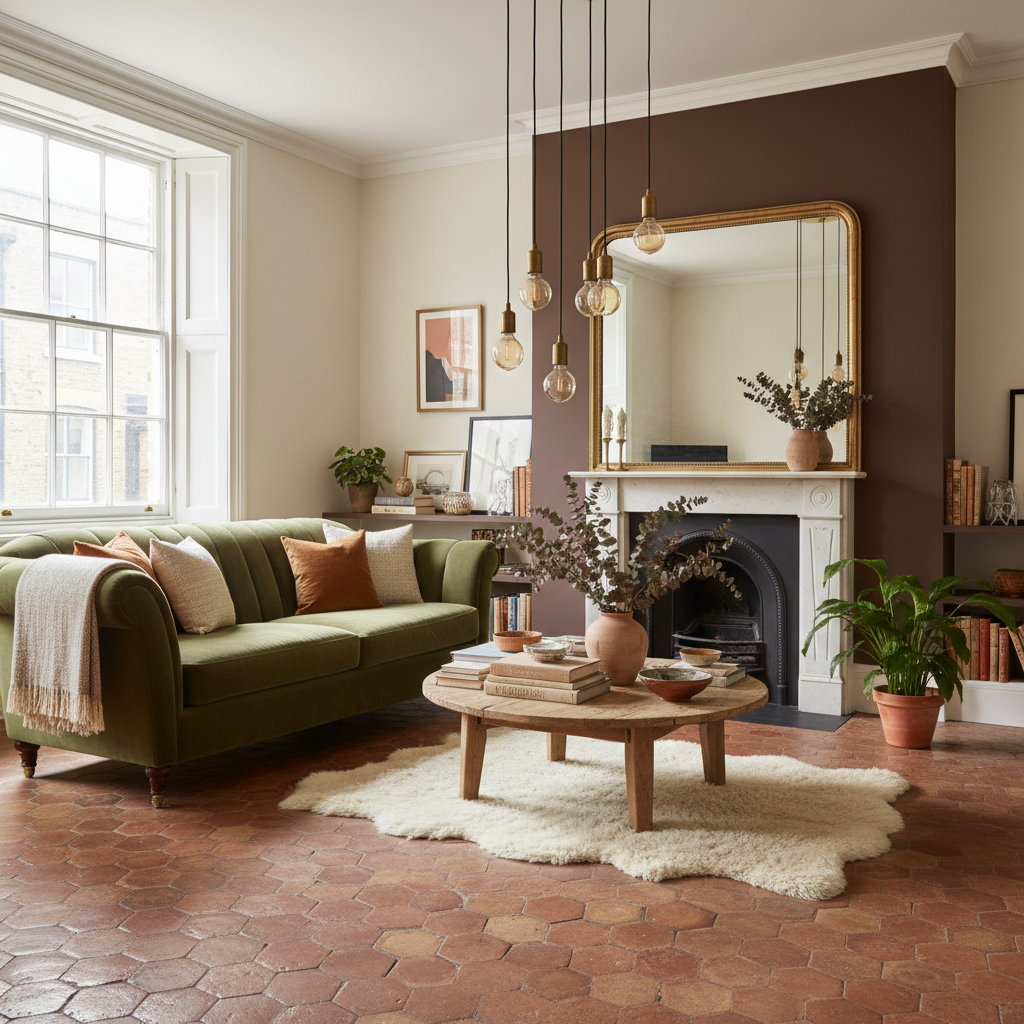
When working with these deeper tones, the key is layering. You might paint three walls in a warm cream and use a deep olive on one feature wall, then bring in furnishings in complementary earthy shades. This creates visual interest without overwhelming the space.
Tactile Textures Throughout
Texture is the secret weapon of heritage maximalism. Where minimalism favoured smooth, glossy surfaces that looked untouchable, 2026 interiors celebrate materials that invite interaction.
Raw wood with visible grain, ribbed velvet, chunky wool throws, linen cushions, brass hardware with patina, ceramic pieces with irregular glazes. Each of these materials adds a layer of sensory richness that makes spaces feel alive and inviting.
"Texture is the secret weapon of a lived-in home," notes interior expert Liz. "When you mix something ultra-smooth like a stone-effect table with something tactile like a bouclé or chenille sofa, you create a room that feels interesting before you have even turned the lights on."
For London homes, which often lack the generous square footage found elsewhere, texture becomes especially important. A smaller room can feel luxurious and layered through the clever use of varied materials, creating visual depth without requiring physical space.
Patterns With Personality
Heritage maximalism embraces pattern in a way that minimalism never dared. Checks, florals, geometric prints, traditional British motifs and even wallpaper are all back in force.
The trick is to create a common thread. If you are mixing multiple patterns in one space, ensure they share a colour palette. A checked cushion, a floral throw and a geometric rug can coexist beautifully if they all draw from the same family of tones, such as deep greens, browns and creams.
Wallpaper deserves special mention. After years of plain painted walls, decorative wallpapers are experiencing a renaissance. Smaller-scale heritage-driven motifs, botanical prints and subtle damasks add instant character to rooms, particularly in hallways, dining rooms and bedrooms where you can be more adventurous.
Mixing Old and New
The heart of heritage maximalism lies in the mix. A Georgian townhouse might feature contemporary art on the walls, but paired with an antique wooden sideboard and a vintage rug. A new-build flat could incorporate reclaimed Victorian floorboards, mid-century modern furniture and ultra-contemporary lighting.
This approach allows you to honour the past without living in a museum. It also means you can build your interiors gradually, adding pieces over time as you find them, rather than buying everything at once from a single retailer.
For Londoners who love vintage markets like Portobello, Kempton or Alfie's Antique Market, heritage maximalism provides the perfect excuse to indulge. That quirky ceramic lamp or unusual piece of art you have been eyeing finally has a home.
How to Achieve Heritage Maximalism in Your London Home
Start With One Statement Piece
If you are transitioning from a more minimal aesthetic, begin with one hero item. This could be a richly patterned rug, a vintage-style velvet sofa in a deep jewel tone, or an oversized piece of art.
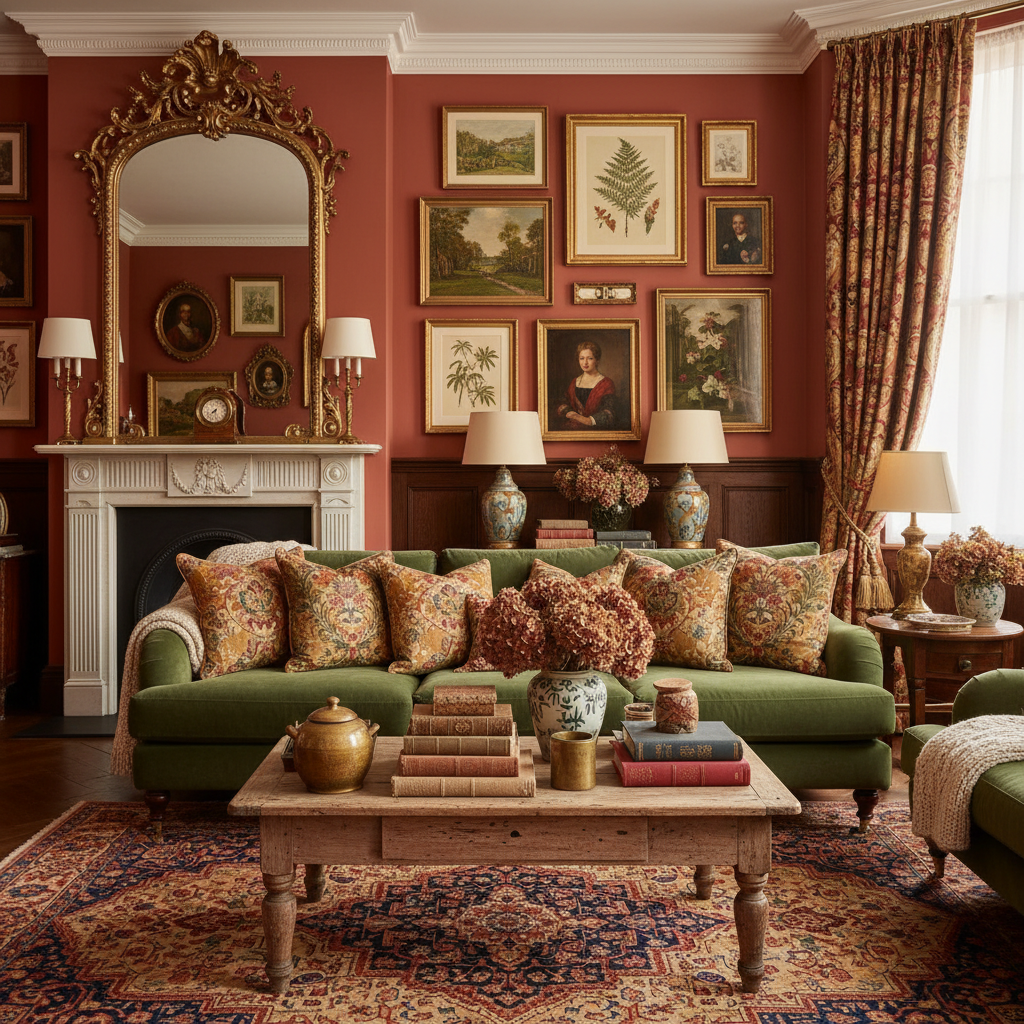
Let that piece dictate your colour palette and build from there. If your statement rug features deep reds and greens, bring those tones into your cushions, throws and wall colour. This creates cohesion while allowing you to gradually layer in more personality.
Create Zones With Furniture
In open-plan London homes, heritage maximalism can help define different areas without the need for walls. An oversized corner sofa in a rich fabric naturally creates a lounge zone. A substantial wooden dining table anchors the eating area. Rugs can further delineate spaces, adding warmth underfoot while providing visual boundaries.
This zoning approach is particularly effective in converted flats or period properties with large, multi-purpose rooms. Rather than fighting the flow, use furniture placement and layered styling to create distinct atmospheres within one space.
Embrace Imperfection
One of the most liberating aspects of heritage maximalism is that it celebrates the imperfect. A table with a few marks tells a story. A rug with worn patches has lived a life. Books stacked on a coffee table show the room is actually used.
This is particularly relevant for families with children or pets. Where minimalism demands constant maintenance and pristine surfaces, heritage maximalism accommodates real life. Spills happen, scratches accumulate, and rather than being disasters, they become part of your home's narrative.
Layer Your Lighting
Lighting becomes sculptural in heritage maximalism. Oversized pendant lights, vintage-style floor lamps, decorative table lamps and statement chandeliers all have a place.
Rather than relying on harsh overhead lighting, create multiple light sources at different levels. This allows you to adjust the mood of a room depending on the time of day and activity. A reading corner might have a dedicated floor lamp, while the dining table features a dramatic pendant that becomes a focal point even when not illuminated.
In London homes with high ceilings, particularly in period conversions, statement lighting can draw the eye upward and make the most of architectural features that minimalism would have left bare.
Display With Intention
Heritage maximalism encourages you to display the things you love, but with a curatorial eye. Rather than hiding everything behind closed doors, create vignettes on shelves, mantels and sideboards.
Group objects in odd numbers, vary heights for visual interest, and do not be afraid to rotate items seasonally. A shelf might display ceramic pieces collected from travels, family photographs in mismatched vintage frames, and a few well-chosen books with beautiful spines.
This approach transforms your belongings from clutter into a curated collection that tells visitors who you are and what you value.
Common Mistakes to Avoid
Overcrowding Without Purpose
The biggest risk with maximalism is tipping into genuine clutter. The difference between heritage maximalism and chaos is intentionality. Every item should serve a purpose, whether functional, aesthetic or sentimental.
Before adding something new, ask yourself: does this enhance the room, or am I just filling space? If the answer is unclear, wait. Heritage maximalism is about meaningful accumulation, not mindless shopping.
Ignoring Flow and Functionality
Even the most beautifully styled room fails if you cannot move through it comfortably. Maintain clear pathways, ensure doors can open fully, and avoid blocking windows or radiators.
In smaller London homes, this becomes even more critical. Measure carefully before purchasing large pieces, and consider furniture with hidden storage to keep the visual richness without sacrificing practicality.
Trying to Do Everything at Once
Heritage maximalism is meant to evolve. Rooms that feel instantly complete often lack the layered, collected-over-time quality that makes this style so appealing.
Start with foundational pieces like a sofa and dining table, then build gradually. Hunt for vintage finds, wait for the right art, and allow your space to develop organically. The best heritage maximalist homes feel like they have been curated over years, not assembled in a weekend.
Heritage Maximalism for Different London Property Types
Victorian Terraces and Edwardian Conversions
These properties are perfect for heritage maximalism. Their original features, high ceilings, decorative cornicing and period fireplaces provide a natural foundation.
Embrace the architecture rather than fighting it. Restore original floorboards where possible, highlight period details with thoughtful lighting, and use rich paint colours that complement rather than compete with the bones of the building.
In smaller rooms common to these properties, such as box rooms or galley kitchens, heritage maximalism can actually make spaces feel larger by creating visual interest that draws the eye around the room rather than emphasising limited square footage.
Modern New Builds
New builds can feel soulless, but heritage maximalism offers a solution. Without architectural character to work with, you create it through furnishings, art and accessories.
Introduce vintage or vintage-style furniture to add age and patina. Hang substantial curtains to soften hard edges. Layer rugs to define zones and add warmth. Display collections that tell your story.
The blank canvas of a new build actually offers freedom. Without period features to consider, you can mix eras and styles more boldly, creating an eclectic space that reflects your personal taste entirely.
Open-Plan Loft Conversions
Large, open spaces benefit enormously from the zoning that heritage maximalism provides. Use oversized furniture to create distinct areas, employ rugs to define boundaries, and vary ceiling heights visually through tall bookcases or room dividers.
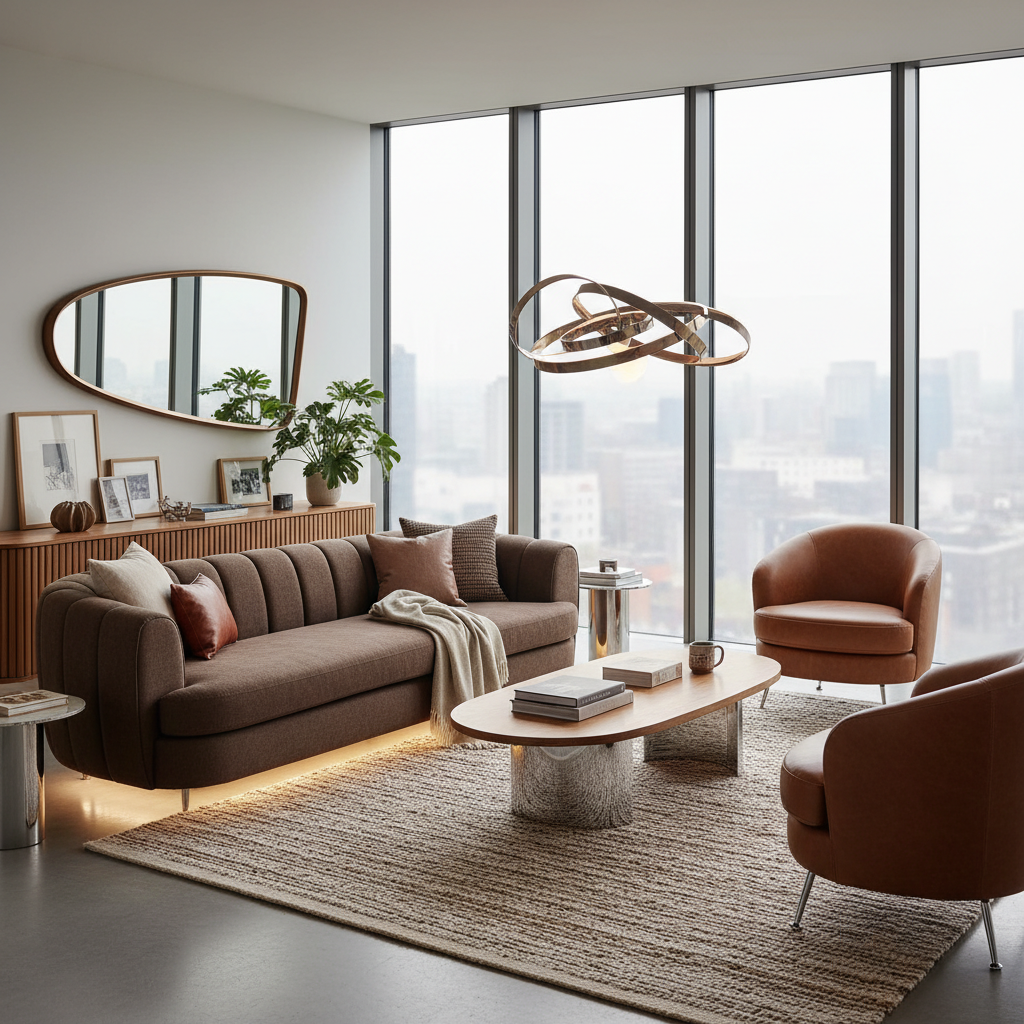
The industrial elements common in loft conversions, such as exposed brick, steel beams and concrete floors, create beautiful contrast when softened with rich textiles, warm wood tones and layered accessories.
The Sustainability Angle
Beyond aesthetics, heritage maximalism aligns with growing concerns about sustainability and conscious consumption. The style actively encourages shopping secondhand, restoring existing pieces and building interiors gradually rather than replacing everything with each passing trend.
Buying vintage furniture means one less new item manufactured and shipped. Choosing quality pieces that will last decades rather than cheap fast-furniture that needs replacing every few years reduces waste. Displaying inherited items connects us to family history while keeping perfectly good objects in use.
For London homeowners increasingly conscious of their environmental impact, heritage maximalism offers a guilt-free approach to beautiful interiors. Every vintage find, every restored piece and every inherited treasure becomes both a design choice and an environmental decision.
Making It Work on Any Budget
Despite its luxurious appearance, heritage maximalism can be achieved at various price points. The style rewards patience and creativity more than unlimited funds.
Hunt charity shops, vintage markets and online marketplaces for unique pieces at a fraction of retail prices. Many London boroughs have excellent charity shops where you can find everything from vintage rugs to mid-century ceramics.
Focus budget on foundational pieces that see daily use, such as sofas and dining tables, then build around them with more affordable vintage accessories. A £50 antique mirror and a £20 stack of vintage books create as much impact as expensive new décor.
DIY restoration can stretch budgets further. Reupholstering a charity shop chair, painting a tired wooden cabinet, or framing vintage prints creates bespoke pieces for minimal outlay. YouTube tutorials make even complex projects accessible to beginners.
The Psychology of Heritage Maximalism
There is a psychological dimension to why heritage maximalism feels so satisfying. In an increasingly digital world where so much of our lives exists on screens, having physical objects that carry history and meaning provides grounding and comfort.
Displaying things we love and that tell our story creates a sense of identity and belonging. Rather than aspiring to look like a staged property or magazine spread, we create spaces that reflect our actual lives, interests and values.
For families, heritage maximalism creates homes where children feel comfortable touching, playing and living. Rather than spaces that demand careful preservation, these are homes that welcome life's beautiful mess, accommodating toys, school projects and family heirlooms in equal measure.
Looking Ahead: Heritage Maximalism Beyond 2026
While trends come and go, heritage maximalism represents something more enduring than a fleeting fashion. At its core, this style is about creating homes that matter, spaces that reflect who we are and accumulate meaning over time.
As London property prices continue to rise and homeownership becomes an increasingly significant achievement, the desire to make that investment truly personal will only grow stronger. Heritage maximalism provides a framework for doing exactly that.
The movement also positions itself as a direct counter to the disposability that has characterised recent decades. In an age of fast fashion and planned obsolescence, choosing quality, investing in restoration and building spaces gradually represents a more sustainable, thoughtful approach to domestic life.
For homeowners tired of chasing the next trend or maintaining pristine minimalist spaces that never quite feel like home, heritage maximalism offers permission to relax, accumulate and celebrate the beautiful imperfection of real life.
Whether you live in a Victorian terrace in Clapham, a new-build flat in Stratford, or a Georgian townhouse in Greenwich, heritage maximalism invites you to create interiors that tell your story, honour the past, and embrace the rich, layered comfort of a home that truly feels like yours.